



Good to Know: A closer look at cutting boards
Research has shown that plastic cutting boards can release microplastic particles through everyday chopping. It’s a small detail that raises a bigger question: should we be paying more attention to the materials we use in our kitchens?
Wood and wood-fiber cutting boards offer alternatives worth considering, each with their own advantages and care requirements.
Our wood-fiber cutting board is made from compressed paper and wood fiber, with silicone corners to keep it securely in place and a groove to catch juices.
And we’re pleased to see it getting some recognition. The Good Trade recently included Public Goods in its roundup of nine cutting boards crafted from sustainable wood, highlighting both our wood-fiber cutting board and acacia wood serving board.
A good reminder that sometimes the most thoughtful upgrades are the ones we use every day.
Read the feature in The Good Trade
The Goods:
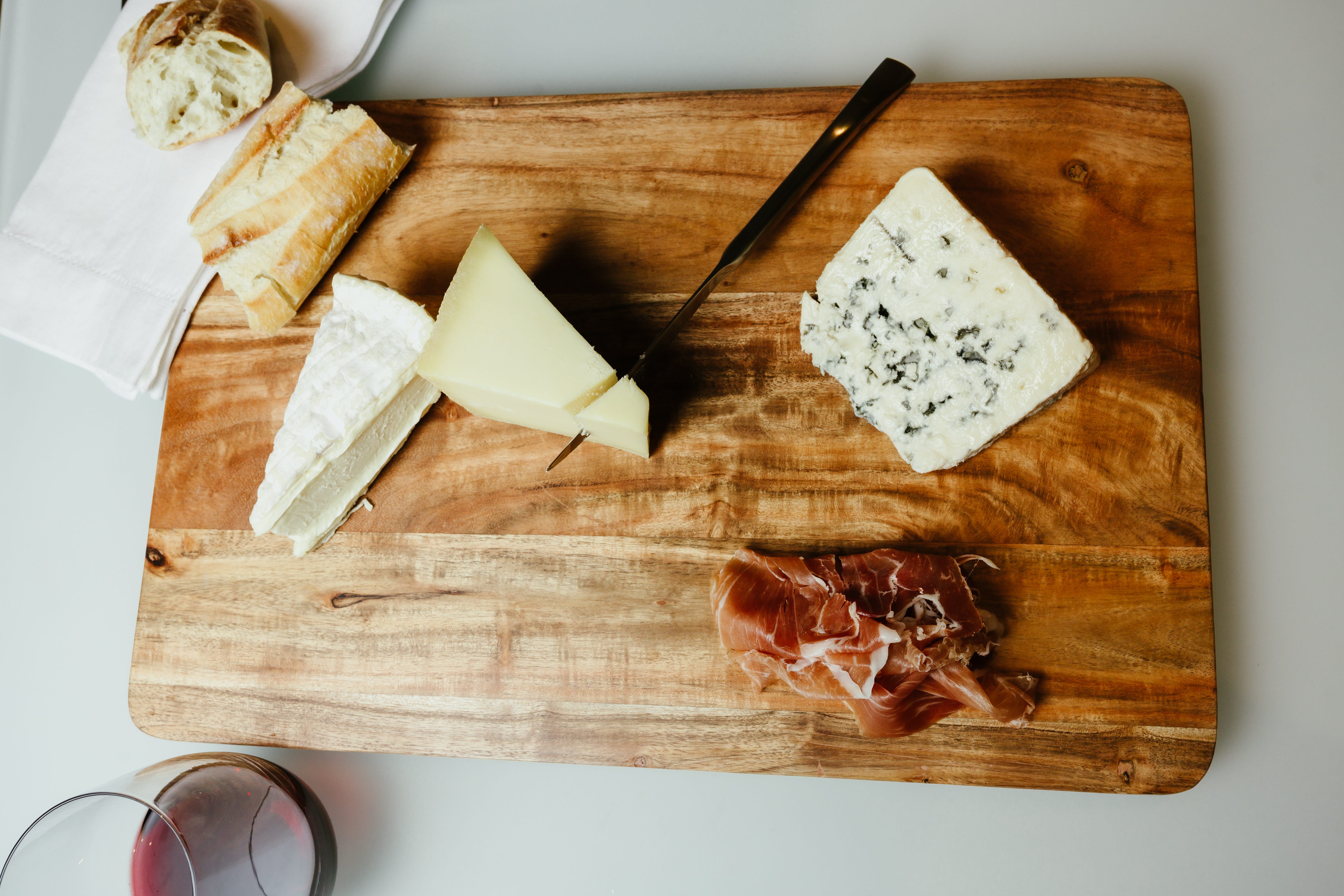
How to keep your cutting board in good shape
A good cutting board can last for years with a little care. Here’s how to keep yours clean, fresh, and ready for whatever’s on the menu.
Wash after every use. Warm water, a little dish soap, and a soft sponge are usually all you need. Scrub both sides, especially after preparing raw ingredients, and rinse thoroughly.
Don’t let it soak. For solid wood boards, prolonged exposure to water can cause warping or cracking. Wash promptly rather than leaving them sitting in the sink.
Dry it standing up. Let air circulate around both sides so moisture doesn’t get trapped underneath.
Smells like garlic or onion? For a wooden board, try rubbing the surface with a little baking soda and water, then rinse and dry thoroughly. Avoid heavily scented cleaners that can leave a lingering fragrance.
Stubborn stains? Start with dish soap and a gentle scrub. A baking soda paste can help with some stains on wood, but always test a small area first and avoid abrasive scrubbing.
Looking a little dry? Solid wood boards benefit from an occasional coat of food-grade mineral oil or board conditioner. Apply a thin layer, let it absorb, and wipe away the excess. Wood-fiber boards generally don’t require oiling.
When to replace it. Deep grooves, cracks, or damaged surfaces that can no longer be cleaned properly are signs it’s time for a new board.
A little maintenance goes a long way. After all, the best everyday essentials are the ones you can keep using.

Pantry Dinners: The Autumn Roast
Make it a dinner: Serve over warm lentils or white beans, add a spoonful of whipped ricotta, or top with a fried egg. A little crusty bread never hurts.
The next day: Toss leftovers into a grain bowl, fold them into an omelet, or blend the squash and cauliflower into a creamy soup.

The autumn roast
- 1/2 small winter squash, seeded and cut into wedges
- 1 small head of cauliflower, cut into florets
- 4 small potatoes, halved
- 2 parsnips, peeled and cut into chunks
- 1 red onion, cut into wedges
- 4 garlic cloves, lightly crushed
- 3 tbsp olive oil
- 1-2 sprigs of rosemary
- 1-2 sprigs of thyme
- salt
- pepper
- 1 tbsp lemon juice or apple civer vinegar to finish
- Step 1Preheat the oven to 425°F (220°C)
- Step 2Cut the vegetables into roughly equal-sized pieces so they cook evenly
- Step 3Toss everything with olive oil, salt, pepper, rosemary, and thyme
- Step 4Spread across two baking sheets, leaving enough space between the vegetables so they roast rather than steam
- Step 5Roast for 30–40 minutes, turning halfway through, until the vegetables are golden, tender, and caramelized at the edges
- Step 6Finish with a squeeze of lemon or a splash of apple cider vinegar to brighten everything up.

Inspiration: Kitchens we love


Left Image: Credit Residence Supply
Right Image: Credit @luizsolano_ @floraoficina @c_a_m_i_a_l_b_a


Left Image: Credit Brent Buck Architects
Right Image: Credit Designers Club @efem_studio
- The Public Goods Team
So thrilled to be here on Substack and following you. I found you from your Instagram.